
چکیده مقاله
This study examines the integration of artificial intelligence AI and human expertise in translation, focusing on how AI driven systems enhance efficiency while human translators ensure linguistic accuracy The main goal is to explore a hybrid translation model that balances machine speed and scalability with human adaptability and cultural awareness While AI powered translation tools, particularly neural machine translation NMT , have improved fluency and accessibility, they still struggle with context, idioms, and domain specific terminology The findings highlight that AI translation significantly reduces costs and processing time, making multilingual communication more accessible However, human intervention remains essential for refining translations, preserving meaning, and addressing ethical concerns like data privacy and bias The study concludes that the most effective approach is a collaborative workflow where AI generates preliminary translations, and human translators edit for accuracy and coherence As AI technology continues to evolve, its role in translation will expand, but it will not replace human expertise Instead, AI human collaboration will lead to higher quality translations, ensuring that linguistic integrity and cultural sensitivity are maintained in global communication
کلیدواژهها
نویسندگان

Hanie Tafreshi Majd
Master's student in English translation studies, Azad University, North Tehran Branch, Faculty of Foreign Languages
شیوه ارجاع
Tafreshi Majd, Hanie,1404,AI and the Future of Translation: Integrating Human Expertise with Machine Efficiency,21th International Conference on Language , Literature , Culture and History Studies
ارائهشده در
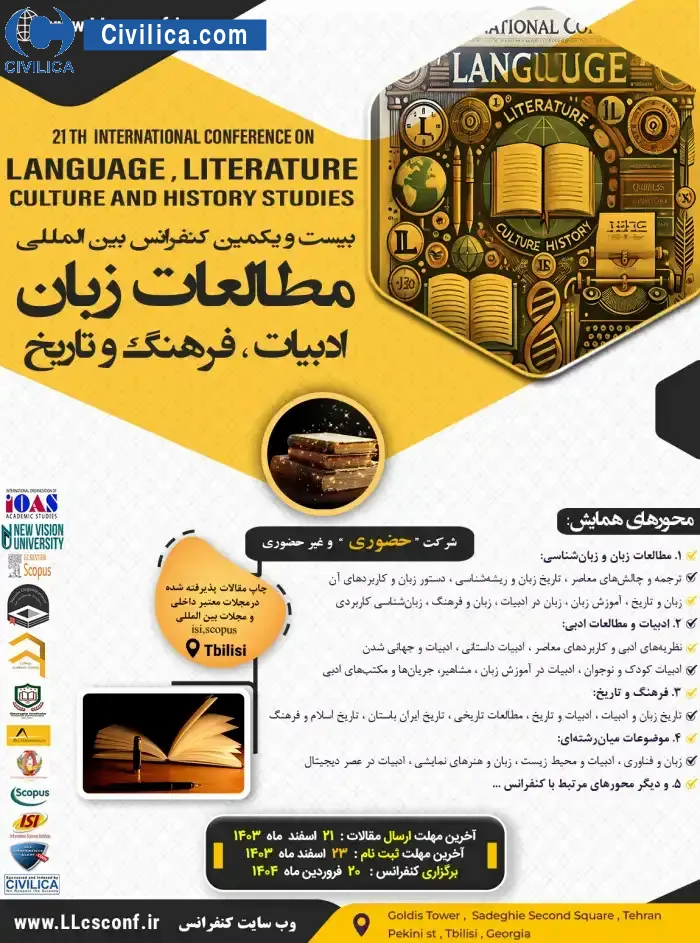 مجموعه مقالات بیست و یکمین کنفرانس بین المللی مطالعات زبان، ادبیات، فرهنگ و تاریخ20 فروردین 1404