
چکیده مقاله
A proper understanding of the paths and obstacles to social development in developing countries requires a critical examination of the major theoretical frameworks in this field Among these, modernization and dependency theories have been central to academic and policy debates over the past decades This study aims to comparatively analyze these two approaches and evaluate their explanatory power regarding social development in peripheral societies Using a qualitative, documentary analysis method, the research first examines the foundational concepts and theoretical dimensions of each perspective It then provides a comparative framework across key dimensions such as social structure, the role of institutions, culture and tradition, international relations, and development indicators The findings suggest that while modernization theory has been effective in explaining cultural and institutional aspects of development, it falls short in addressing global inequalities In contrast, dependency theory offers a more critical lens by focusing on historical and structural domination, though it often lacks concrete strategies for implementation Ultimately, the study underscores the importance of integrating the strengths of both approaches and adapting development policies to local contexts
کلیدواژهها
نویسندگان

Ali Karaminasab
Student of PhD Urban Planning, Islamic Azad University, North Tehran Branch, Tehran, Iran
شیوه ارجاع
Karaminasab, Ali,1404,Comparative Analysis of Modernization and Dependency Theories in Explaining Social Development in Developing Countries,Third International Conference on applied researches in civil engineering, architecture and urban planning
ارائهشده در
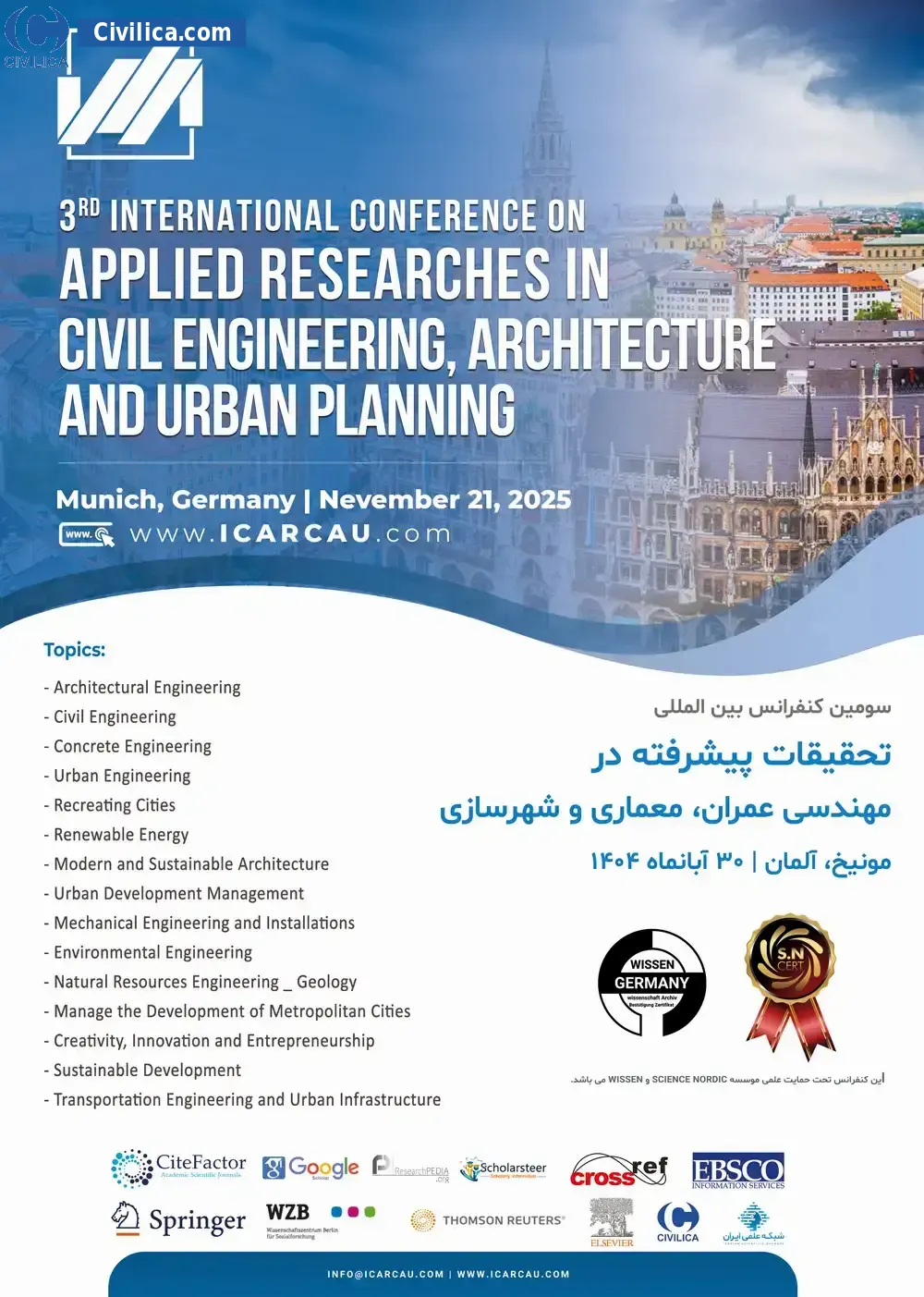 مجموعه مقالات سومین کنفرانس بین المللی پژوهش های کاربردی در مهندسی عمران، معماری و شهرسازی30 آبان 1404